A pear can sit on the worktop for a week looking exactly the same, then soften so fast you miss the moment. Ripening is a chain of enzyme reactions, and it depends on three things: warmth, airflow, and the fruit's own ethylene gas staying close to the surface. Take any one of those away — with a bowl of water, a sealed tub, a crowded fruit bowl — and the process either stalls or slides into rot. Most ripening failures come down to a short list of everyday habits, and every one of them is easy to change.
Washing fruit the moment it comes through the door
Rinsing everything as soon as you unpack it feels hygienic, but it works against you. The natural bloom on the skin helps fruit hold moisture and acts as a light barrier against spores. Once that bloom is gone, and once water has pooled around the stem — the one spot where the skin is already slightly open — mould has an easy route in. Ripening stops and rotting starts.
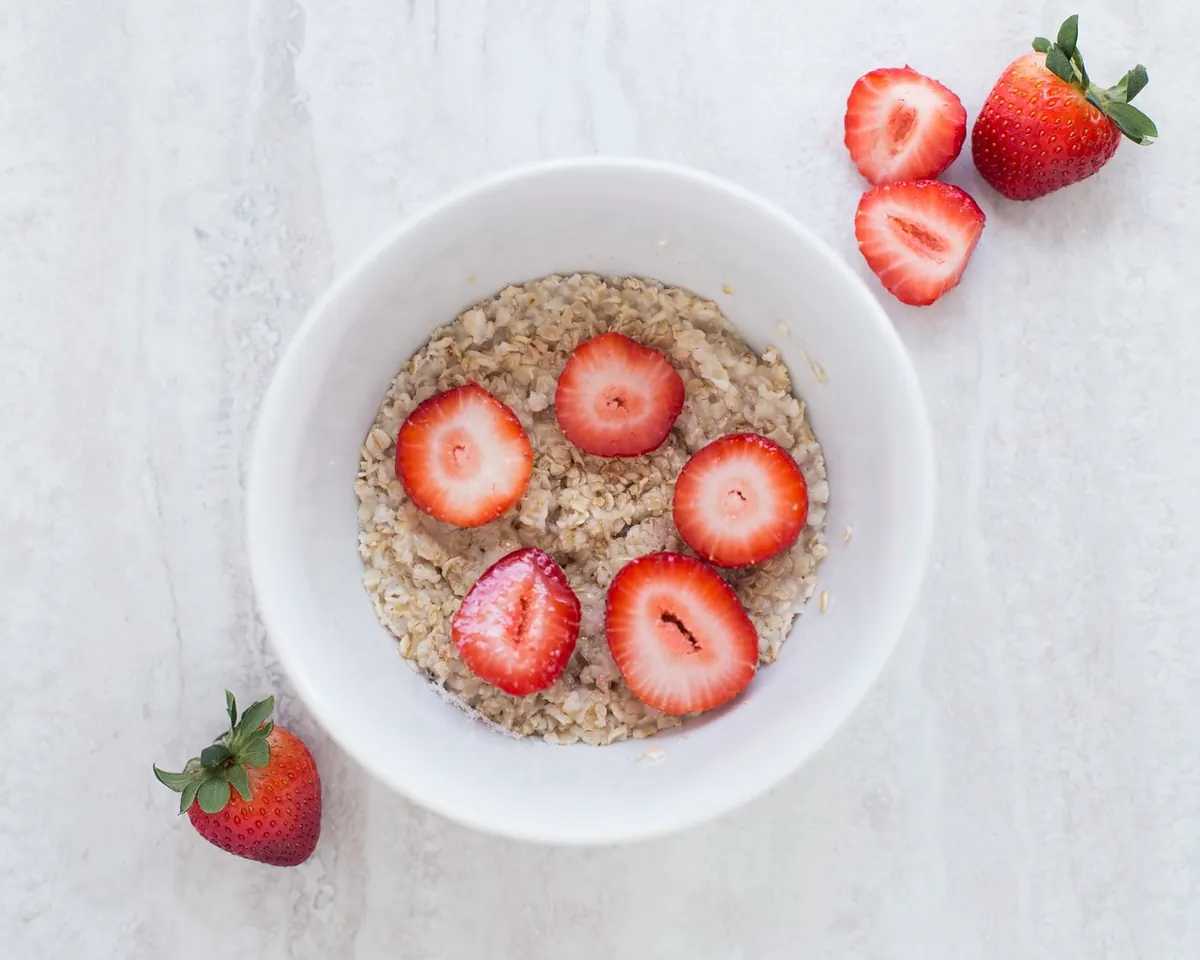
Wash fruit under the tap just before you eat it. The exception is produce that doesn't ripen after picking, such as strawberries, grapes and cherries: rinse those, dry them thoroughly with a tea towel, then refrigerate. Damp berries in a sealed punnet will grow fur within a day or two. And never soak fruit in a bowl of water to clean it; ten minutes is long enough to soften skins and start the slide towards mush.
Using the fridge as the default storage spot
Cold slows everything down, ripening included. Below roughly 8°C the enzymes that turn starch into sugar and break down pectin barely work, so a hard peach goes into the fridge hard and comes out hard, usually with a mealy texture and very little flavour left. Bananas suffer worst — the skins blacken while the flesh stays firm — and tomatoes lose the sweet, savoury notes that make a home-grown one worth eating.
Use the fridge for two jobs only: holding fruit that is already ripe, and storing produce that won't ripen after harvest.
A quick sorting guide
- Ripen on the worktop: bananas, avocados, pears, peaches, nectarines, plums, mangoes, kiwis, tomatoes, melons.
- Chill straight away (they won't improve): berries, cherries, grapes, citrus, pineapples.
- Ripen, then chill: anything from the first list, once it gives slightly at the stem end.
Take stone fruit out of the fridge half an hour before eating. Cold mutes flavour, and a peach at room temperature tastes noticeably sweeter than the same peach straight from the shelf.
Stacking fruit in a heap
A deep bowl packed with fruit looks generous and ripens badly. Fruit resting on fruit bruises, and bruises are where rot begins. Air can't move through a heap either, so the ethylene and moisture collecting in the middle create a warm, damp pocket — ideal for mould, useless for even ripening.
Spread fruit in a single layer in a shallow dish, with about a finger's width between pieces. If space is tight, use two dishes rather than piling one high. Bananas keep better hung on a hook or laid stem-side up, so nothing presses on the curved sides. And resist putting a melon or pineapple on top of softer fruit; the weight alone will damage it.
Sealing fruit into airtight tubs and bags
Ethylene is what triggers ripening, and you want it concentrated around the fruit. You also need moisture to escape. Cling film and clip-top containers trap both, so condensation forms on the inside of the lid, sits on the skin and invites mould long before the fruit is ready.
A paper bag does the job properly. It holds ethylene close while letting water vapour pass through, which is why the old trick of a pear in a paper bag with a ripe banana works so reliably. If you only have plastic, use a loose, open bag or prick a few holes in it. A bowl with a plate resting on top, leaving a gap at one side, is a decent middle ground. Check bagged fruit daily — it ripens faster than you expect.
Forgetting to use — or avoid — a ripening partner
Some fruit produces a lot of ethylene, some is highly sensitive to it, and some ignores it completely. Knowing which is which lets you speed things up or slow them down on purpose.
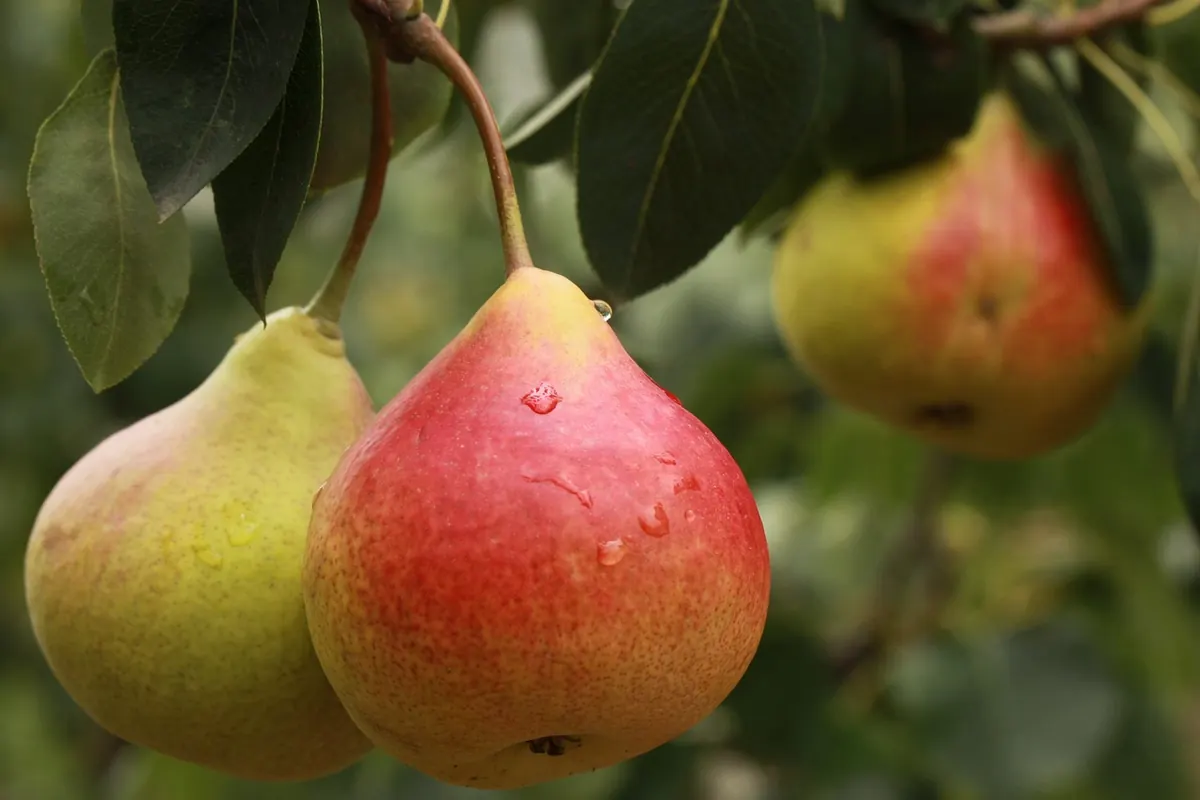
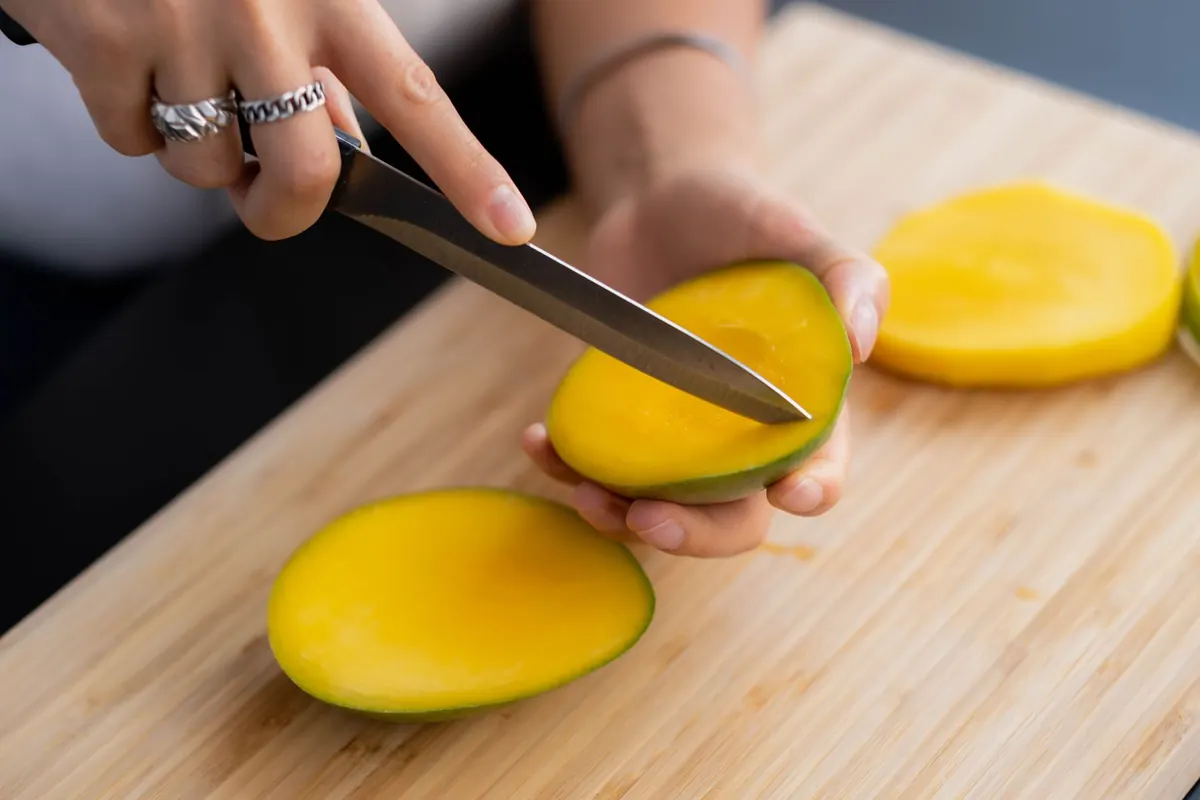
Ripe bananas, apples, pears and melons are strong producers. Put one of those in a paper bag with a hard avocado, mango or peach and you'll usually shave a day or more off the wait. Keep them away from leafy greens, cucumbers, broccoli and berries, which yellow, soften and spoil quickly in their company.
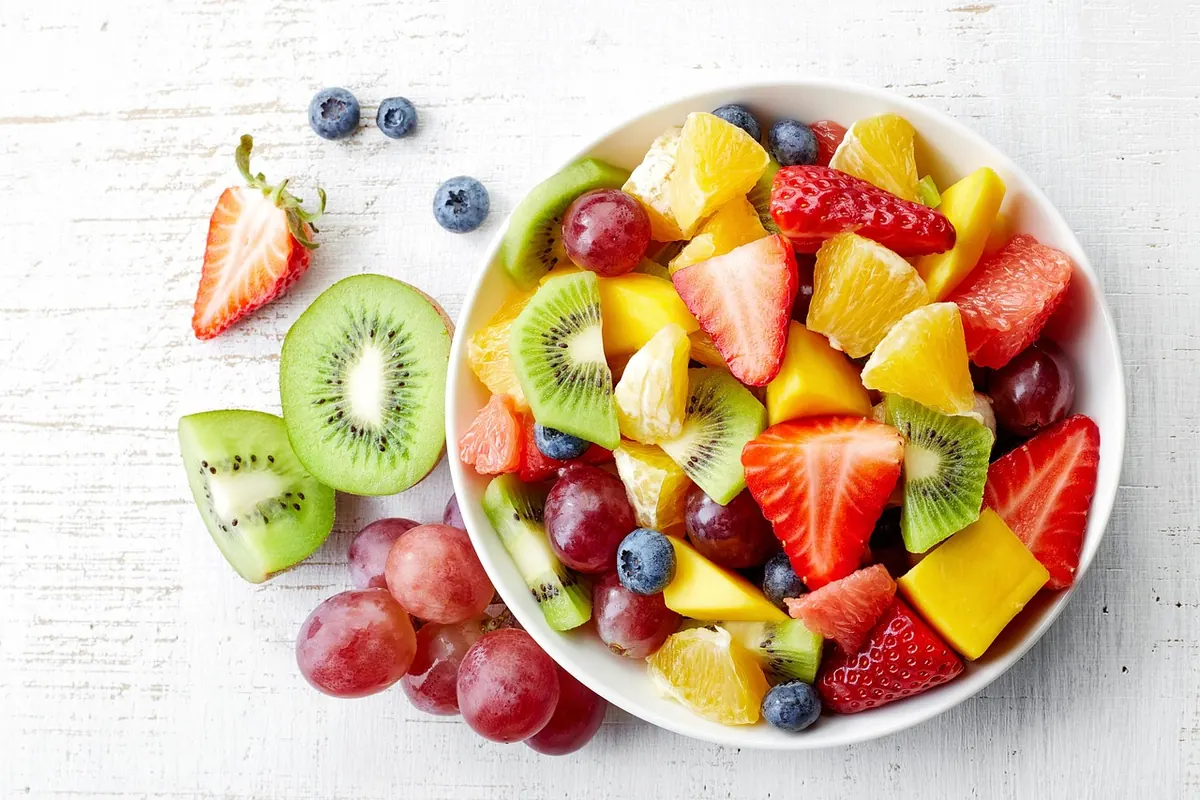
Then there are the fruits that simply don't respond: strawberries, grapes, cherries, citrus, pineapples and most berries. A hard one of those will never soften into something better, so buy by smell, colour and weight rather than hoping it will improve on the shelf.
Squeezing, prodding and turning every few hours
Ripening fruit is delicate, and every squeeze leaves a small bruise under the skin. Bruised tissue doesn't ripen — it browns and rots, and it takes the rest of the fruit with it.
Test once a day, gently, with a light press near the stem end rather than the middle, which is the last part to soften. If it gives slightly, it's ready. If it's firm, leave it be. Turning fruit over, shifting it to a sunnier windowsill or wrapping it in a towel won't speed anything up either. Direct sun warms the skin and can cook it, while a towel blocks the airflow that keeps mould at bay. Steady room temperature, roughly 18–21°C, is all you need. An airing cupboard is too warm and will dry fruit out before it ripens.
A simple routine that works
Run through the same steps each time you bring fruit home and the guesswork disappears.
- Unpack and sort: keep ripening fruit separate from produce that won't improve.
- Wipe rather than wash, and only rinse what you're about to eat.
- Spread everything in a single layer, with a gap between pieces.
- Add a ripe banana or apple in a paper bag if you want to hurry things along.
- Check once a day, pressing gently near the stem.
- Move fruit to the fridge the moment it's ripe, and eat it within a few days.
- Remove anything mouldy, split or leaking straight away — one bad fruit spreads.
Fruit ripens on its own timetable, and no trick will turn a green banana ready in an hour. But removing the cold, the crowding and the trapped moisture gives it the best chance of getting there properly: sweet, juicy and ready at the moment you want it.
Photo: sameersindhu / Pixabay