There is a particular kind of regret that comes with finding a punnet of strawberries at the back of the fridge, furred and finished. And a quieter, more satisfying feeling when you open the freezer in February and tip out a handful of raspberries you froze the moment they were perfect. The difference between those two outcomes is timing, not equipment. You do not need a vacuum sealer or a chest freezer the size of a car. You need to catch the fruit on its best day, and to handle it properly for the hour or so it takes to get it cold.
Freezing preserves ripeness — it never creates it
Fruit stops ripening the moment it goes into the freezer. Cold that firm suspends the process rather than continuing it, so whatever you freeze is roughly what you get back. A hard, green-shouldered peach will still be underripe when it thaws, only now it will also be soft and grainy. The same applies in reverse: a strawberry picked at its reddest, sweetest peak keeps that sweetness for months.
So the question is not "is this fruit good enough to freeze?" It is "would I be happy eating this right now?" If the answer is no, eat it cooked, or leave it another day and ask again.
Judging the moment, fruit by fruit
The signals differ, and it is worth knowing them before you buy a kilo of something that needs another 36 hours on the windowsill.
- Strawberries: red all the way to the shoulder, with no pale collar under the leaves. Fragrant before you bite. They should give slightly under a thumb but not collapse.
- Raspberries: they should slip off the plug with almost no resistance when you pick them. If you have to tug, they are not ready, and they will taste sharp.
- Blueberries: a deep, dusty blue with a matte bloom on the skin. Firm but with a little spring. Dull, wrinkled berries have already gone past their best.
- Peaches and nectarines: full colour at the stem end — no green — and a sweet, floral smell where the stalk was. Press gently near the stem; it should yield like a ripe avocado.
- Plums and apricots: slightly soft along the seam, and the skin should have lost its tight, shiny look.
- Bananas: yellow with the first few freckles appearing. Green bananas freeze badly and thaw rubbery, and black ones are only useful for baking.
Use the fridge to buy yourself time
Ripening speeds up once it starts, which is why a bowl of apricots can go from promising to urgent in a single warm afternoon. Check them daily. When the fruit is a day away from perfect and you are not, move it into the fridge — the cold slows ripening without stopping it dead. A ripe peach will hold for another two or three days there. Just bring it back to room temperature before eating or freezing, since flavour is dulled by cold.
Preparing fruit for the freezer
Work in small batches and keep everything as cold as you reasonably can. Never freeze fruit that is still wet; surface water turns into ice crystals that weld pieces together and damage texture.
Berries
Rinse briefly in a colander — do not soak, they drink water and go mushy. Spread them out on a clean tea towel and pat dry, then leave them for ten minutes. Hull strawberries now, after drying, and halve or quarter any that are large. Leave raspberries, blueberries and blackcurrants whole.
Stone fruit
Halve, twist and lift out the stone. If you want to peel peaches, drop them into boiling water for about 20 seconds, then straight into cold water and the skins will slide away. Slice into wedges and toss with a squeeze of lemon juice to slow browning. Nectarines are usually better unpeeled; apricots are best halved and left as they are.
Bananas
Peel them first. This is the single most important sentence in this section, because peeling a frozen banana is miserable work. Slice into coins or break into chunks, then freeze. A little lemon juice limits browning, though bananas darken in the freezer regardless and it makes no difference to taste.
Tray-freezing: the step most people skip
If you tip a punnet of raspberries straight into a bag, you get a solid lump that you have to attack with a knife. Tray-freezing costs you one extra tray and a few hours, and gives you fruit you can pour.
- Line a baking tray that fits your freezer with baking parchment.
- Spread the prepared fruit in a single layer, with space between the pieces.
- Freeze for two to four hours, until each piece is hard and rattles.
- Tip the frozen fruit into freezer bags or boxes, press out as much air as you can, and seal.
- Label with the fruit and the date, then return to the freezer.
Fruit frozen this way keeps well for roughly eight to twelve months, though it is at its best in the first six. Bags stored at the front of the freezer door, where the temperature swings every time you open it, will not last as long — push them towards the back.
Thawing without turning everything to mush
Ice crystals puncture cell walls, so frozen and thawed fruit will always be softer than fresh. That is not a failure, it is chemistry, and the fix is to choose the right job for the fruit.
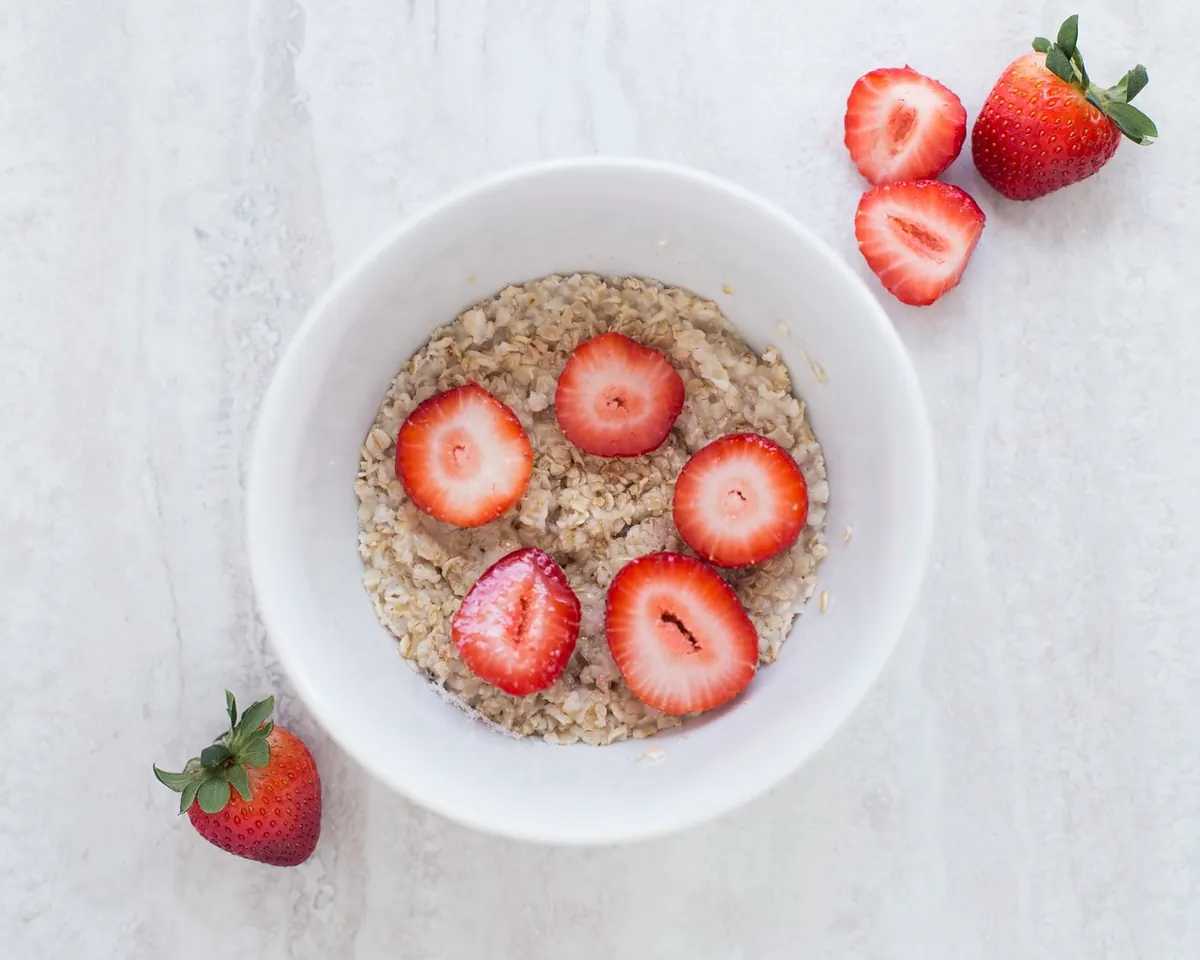
- Fridge, overnight: the firmest result. Best for fruit you plan to eat with yoghurt or spoon over porridge.
- Room temperature, 30 to 60 minutes: softer and juicier, good for compote or a fruit salad that will be eaten straight away.
- Straight from frozen: ideal for smoothies, and for baking. Crumble, pie and muffin recipes generally work better with frozen fruit than thawed, because the pieces hold their shape and do not bleed juice into the batter. Add a few extra minutes to the bake and a little more thickener.
Do not refreeze fruit that has thawed. Once thawed, keep it in the fridge and use it within a couple of days, or cook it into a compote, sauce or jam that will keep longer. If you are cooking for anyone with a compromised immune system, or you are pregnant, it is worth checking current NHS guidance on food safety and frozen produce rather than relying on general rules of thumb.
Frozen fruit is not a lesser version of fresh. It is simply fresh fruit pointed at a different recipe.
Freeze one tray this week
Start small. Buy a little more than you can eat in two days, catch it at its peak, and tray-freeze it properly. Once you have a bag of raspberries and a bag of peach wedges in the freezer, the habit tends to look after itself — and next winter's puddings, smoothies and porridge will taste like July.
Photo: Nennieinszweidrei / Pixabay