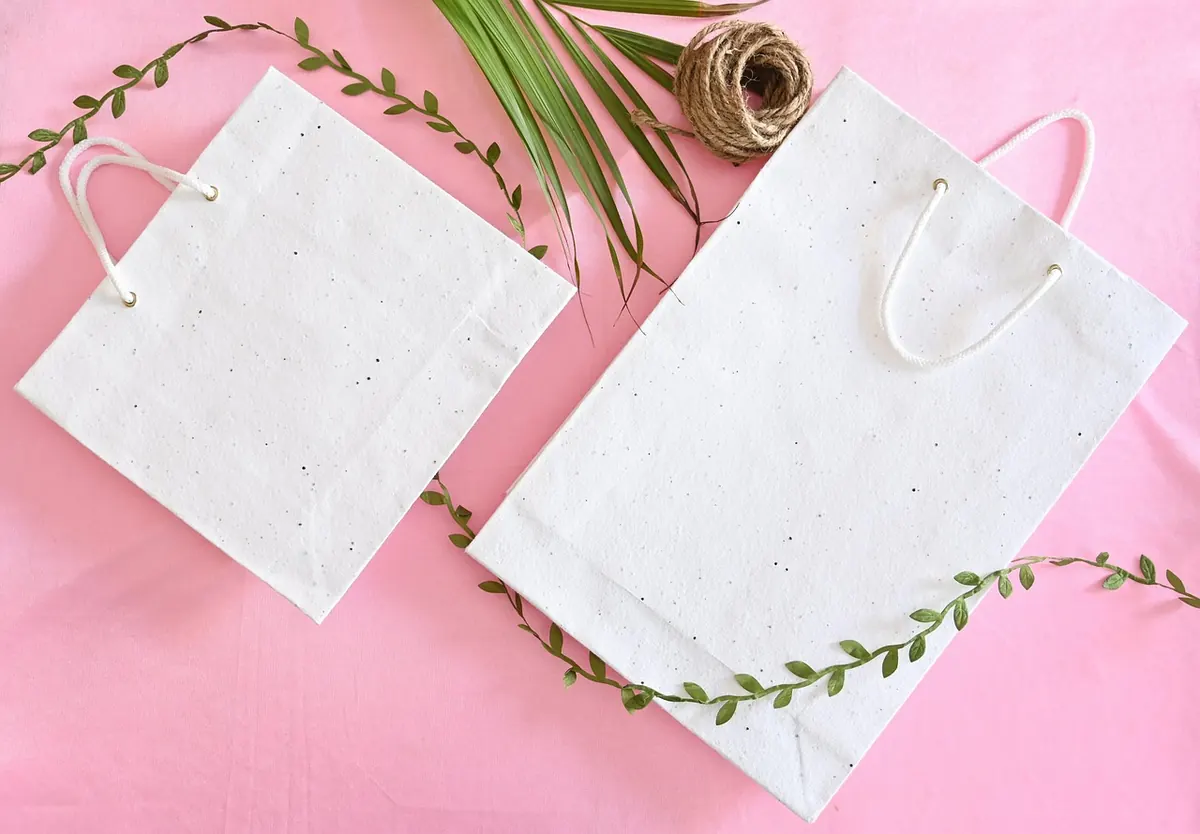
A paper bag is the least glamorous piece of kit in your kitchen, and it probably saves more fruit than anything else you own. Peaches, plums, nectarines and bananas all keep ripening after they leave the tree, and a bag holds the gas that drives that process close to the fruit instead of letting it drift away. Leave a hard nectarine in one overnight and it will be soft, fragrant and worth eating the next day.
The catch is timing. Fruit in a bag is on a countdown, and it does not pause politely while you make dinner. One day too long and that same nectarine collapses into a wet, brown mess. The method below is simple; the discipline is in the checking.
Why a Paper Bag Works, and Plastic Doesn't
Ripening fruit releases ethylene, a natural gas that triggers further ripening in the fruit around it. A paper bag traps enough of that gas to concentrate the effect, while still being breathable enough to let moisture escape. The result is faster, more even ripening without the wet skin and spotted mould you get when fruit sits in its own condensation.
Wrap the same fruit in plastic and you get the opposite of what you want: beads of water running down the inside, skin that never dries, and mould that appears from nowhere by day three. If paper is not to hand, a plastic bag with a handful of holes punched through it will do for a single day. Paper remains the more forgiving choice.
What You'll Need
- A paper bag sized so the fruit sits in a single layer — a brown lunch bag for two peaches, a larger grocery bag for a punnet of plums
- Optional: one ripe banana or apple to act as a ripening companion
- Counter space away from direct sunlight, the oven and the radiator
- Somewhere you walk past twice a day. A cupboard is a bad idea, however tidy it looks
The Method, Step by Step
- Sort the fruit first. One mouldy or leaking piece can ruin the batch. Eat bruised, split or soft fruit now rather than adding it to the bag — splits let mould straight in.
- Bring cold fruit up to room temperature. Fruit straight from the fridge ripens at a crawl. Leave it on the counter for an hour or two before bagging.
- Bag it in a single layer. Fruit piled on top of itself bruises and traps damp air. Give everything a little breathing room.
- Add a ripe banana or apple if you want speed. It can shave a day off the process, which also means you need to check more often. Take the companion out once it is past its best.
- Fold the top of the bag over twice. Don't clip it, don't tie it, don't seal it with tape. You want the bag to hold gas, not become airtight.
- Put it on the counter in plain sight. A sunny windowsill in July will cook the fruit rather than ripen it.
- Check morning and evening. Open the bag, feel the fruit, fold it shut again. Twice daily is the difference between perfectly ripe and forgotten.
- Pull fruit out as it ripens. Move it to the fridge if you are not eating it that day, and leave the rest to carry on.
How Long Each Fruit Takes
Peaches and nectarines
Usually one to three days, and sometimes overnight if you have added a ripe banana. Check twice a day from the start — these are the quickest of the stone fruit to tip from firm to collapsing.
Plums
Two to four days in most kitchens. Plums are firmer to begin with and hold their shape better, so you have a little more room for error. A ripe plum still has some resistance at the stem end; a soft plum is one you should have eaten yesterday.
Bananas
The fastest of the lot. A green banana in a folded paper bag can yellow in twelve to twenty-four hours, especially if it has company. Keep bananas in a bunch if you want to slow things down — separating them speeds ripening considerably. Bananas also push everything else along, so keep them out of a bag of plums unless you are in a hurry.
How to Tell When It's Ready
Press gently near the stem, where the fruit meets the stalk, using your thumb rather than your fingertips. A ripe peach or nectarine gives slightly there while the rest of the fruit still feels firm. Colour is your second clue: ignore the red blush and look at the background colour around the stem, which shifts from green to cream or gold. Smell is the third — a ripe peach announces itself from arm's length.
A soft patch in the middle of the fruit is usually a bruise, not ripeness. Cut that part away or eat around it. For bananas, aim for yellow skin with a little green left at the tips and no brown speckles; once speckles appear, the fruit is sweet and better suited to baking or smoothies than to eating out of hand.
When Things Go Wrong
Mould or a sour, fermented smell
Bin the affected fruit and the bag if it is damp or stained, then wipe the counter. Mould spreads quickly between touching fruit, and fermented juice will taint everything it touches.
Nothing has happened after three days
The fruit was probably picked too early, or it spent too long in cold storage before you bought it. Stone fruit that has been chilled hard can turn woolly and never soften properly. Poach it, roast it or stew it — firmness matters far less once fruit is cooked.
One piece went from hard to mush overnight
Almost always a banana, or a companion fruit doing its job too well. Check twice daily and pull fruit the moment it gives.
Small flies appearing
Keep the bag folded shut between checks, wipe up any juice, and get ripe fruit into the fridge. Fruit flies are drawn to the smell of fermentation, which means over-ripe fruit rather than the bag itself.
A Few Habits Worth Keeping
Buy firm fruit, bag it the day you bring it home, and check it morning and evening. Pull fruit early rather than late and use it within a day or two, because a ripe peach left in the fridge loses flavour fast — bring it out an hour before eating to let it come back to itself.
Remember too that a paper bag only helps fruit that ripens after picking. Berries, cherries, grapes and citrus will not improve in one; they will simply go mouldy sooner. And if a piece of fruit is furred, leaking or smells of alcohol, throw it out rather than tasting it to check. Food safety aside, no peach is worth an upset stomach — and if you are ever genuinely unsure whether something is safe to eat, it is worth asking a pharmacist or your GP rather than guessing.
Photo: euphoricpaper / Pixabay