A ripe tomato should taste of summer: sweet, sharp and faintly green at the stem. Put it in the fridge and within a day it tastes of almost nothing. The sweetness flattens, the aroma vanishes and the flesh turns grainy and dull. That change is not imagination, and it is not something the kitchen can undo later.
Tomatoes are one of the few fruits that genuinely suffer from cold storage — and one of the few that people refrigerate almost out of habit. The good news is that the fix is simple, and if your tomatoes are the hard, pale sort that supermarkets sell, there is a reliable way to get them closer to something worth eating.
What cold actually does to a tomato
A tomato keeps ripening after it is picked. It produces ethylene, the gas that triggers ripening, and its own enzymes carry on converting starches to sugars and building the aromatic compounds that give it its smell and taste.
Cold shuts most of that down. Chilling injury begins at roughly 12°C — well above the 4°C of a domestic fridge — and it hits flavour and texture in different ways:
- Aroma goes first. The volatile compounds behind that fresh, grassy, faintly fruity smell stop being produced in the cold, and many already present break down. This happens before the tomato looks any different, which is why a chilled one can look perfect and taste of nothing.
- Texture suffers next. Cell walls and membranes are damaged by chilling, so the flesh loses its structure and turns mealy and watery instead of juicy and firm.
- The change is one-way. Bringing a tomato back to room temperature will not bring the aroma back. Those compounds have gone, and they are not remade.
There is a second problem. Shop tomatoes are usually picked before they are fully ripe so they survive transport, then finish ripening in cooler conditions than a garden tomato ever would. That is part of why a supermarket tomato so often tastes like a pale imitation of the real thing. Chilling it at home makes matters worse.
When the fridge is the lesser evil
Room temperature is the default, but it is not a religion. There are times when the fridge is the better choice, and refusing to use it just means throwing tomatoes away.
Fully ripe tomatoes you cannot eat in time
If your tomatoes are deep red, soft to the touch and plainly ready, and you will not get through them in the next day or so, the fridge will keep them edible for a few days longer. A slightly dull tomato beats a mouldy one. Use them cooked — in a sauce, roasted on a tray, stirred through a soup — where the lost aroma matters far less.
Cut tomatoes
Anything sliced or halved should go straight into the fridge in a covered container and be eaten within a day or two. This is a food safety matter rather than a flavour one, and it overrides everything else here.
Very hot kitchens
In a heatwave, or in a kitchen that regularly sits above about 25°C, a ripe tomato can go from perfect to collapsing within a day. If that is your situation, chill them and accept the compromise.
If you do refrigerate, put tomatoes in the warmest part of the fridge — a door shelf or a salad drawer — rather than at the back, keep them in a paper bag or a lidded box, and take them out an hour before eating. That improves the texture slightly; it will not restore the taste.
How to ripen hard supermarket tomatoes
A rock-hard tomato is not a lost cause. It needs warmth, air and a little patience. Work through this:
- Get them out of the packaging. Punnets and plastic bags trap moisture, which encourages mould and softens the skin unevenly. Tip them out as soon as you get home.
- Find a warm, airy spot. A worktop at around 18–21°C, out of direct sunlight, is ideal. A sunny windowsill is too hot and will cook the fruit from one side.
- Sit them in a single layer, stem scar down. The scar is where most moisture escapes, so facing it downwards slows that loss. Do not stack them more than two deep — the weight bruises the lower layer.
- Speed things up with a ripe banana or apple. Both release ethylene, so a tomato sitting beside one in a bowl, or sharing a paper bag with one, will ripen faster. Check daily once you do this, because the final stage can happen quickly.
- Turn them gently every couple of days. It evens out ripening and gives you a chance to spot soft patches before they spread.
- Do not wash them yet. Rinse tomatoes just before you use them. Damp skin plus a closed container is the fastest route to mould.
Expect two to five days for a hard tomato to become properly soft, depending on how green it was when you bought it. Keep them on the vine if they came that way; the calyx helps them look fresher for longer.
A few worktop rules worth remembering
- Room temperature, out of direct sun, in open air.
- Single layer, stem down, no stacking.
- Away from cucumbers, lettuce and other ethylene-sensitive produce, which will spoil faster alongside them.
- Check daily and eat the softest first.
- Never refrigerate a tomato you are trying to ripen. Cold halts the process rather than slowing it usefully.
When you have more than you can eat
Ripe tomatoes past their salad days still have plenty of uses. Roast them halved with oil, garlic and a pinch of salt until the edges catch, then blitz into a sauce. Freeze them whole in a bag — the skins slip off as they thaw, and the flesh is ideal for cooking, though not for eating raw. Chutney, passata and slow-roasted halves all make good use of a glut.
If you plan to bottle or preserve tomatoes, follow a tested recipe rather than improvising. Home preserving has real food safety rules, and it is not a place to guess.
The short version
Keep tomatoes on the worktop. Give them a single layer, a warm spot out of the sun and a daily glance. Pair hard ones with a banana in a paper bag if you want them ready sooner. Chill only when you have to — a ripe tomato you cannot get through, or anything you have already cut — and use those cooked.
Do that, and the tomato on your plate tastes like a tomato: sweet, sharp and worth the wait.
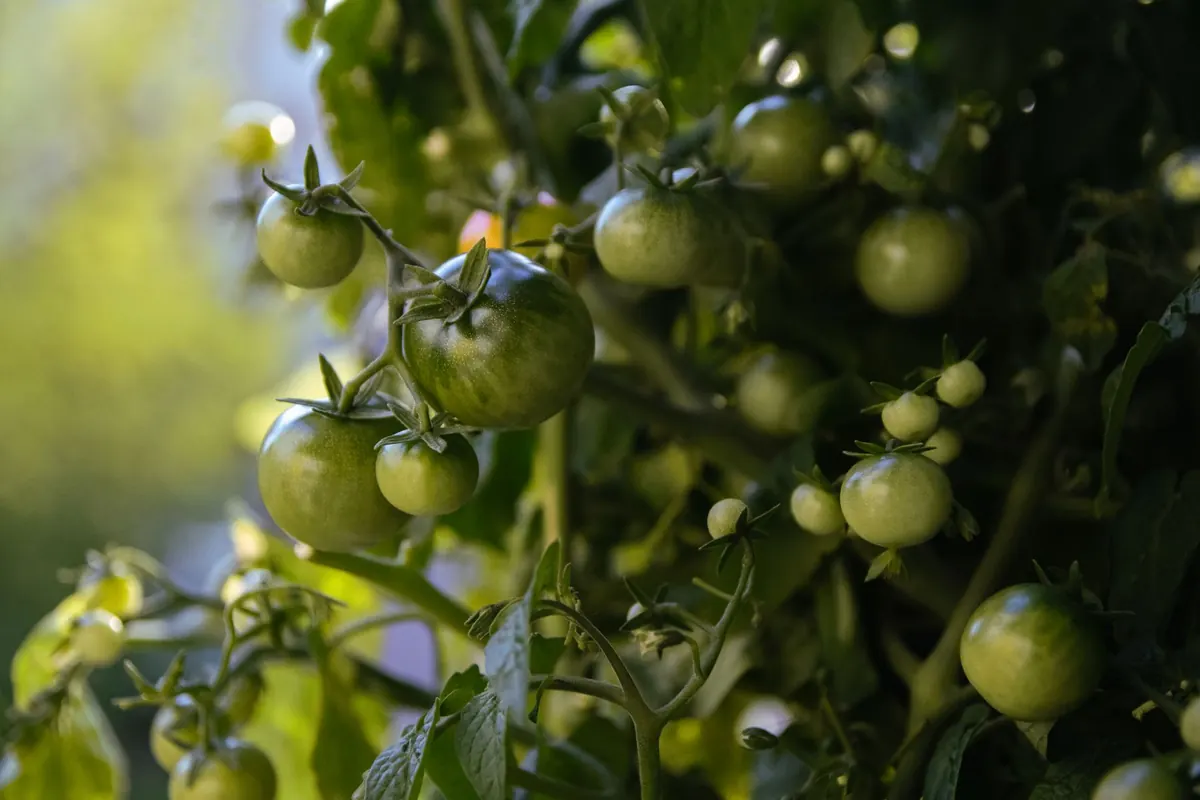
Photo: Юлия Зяблова / Pexels